


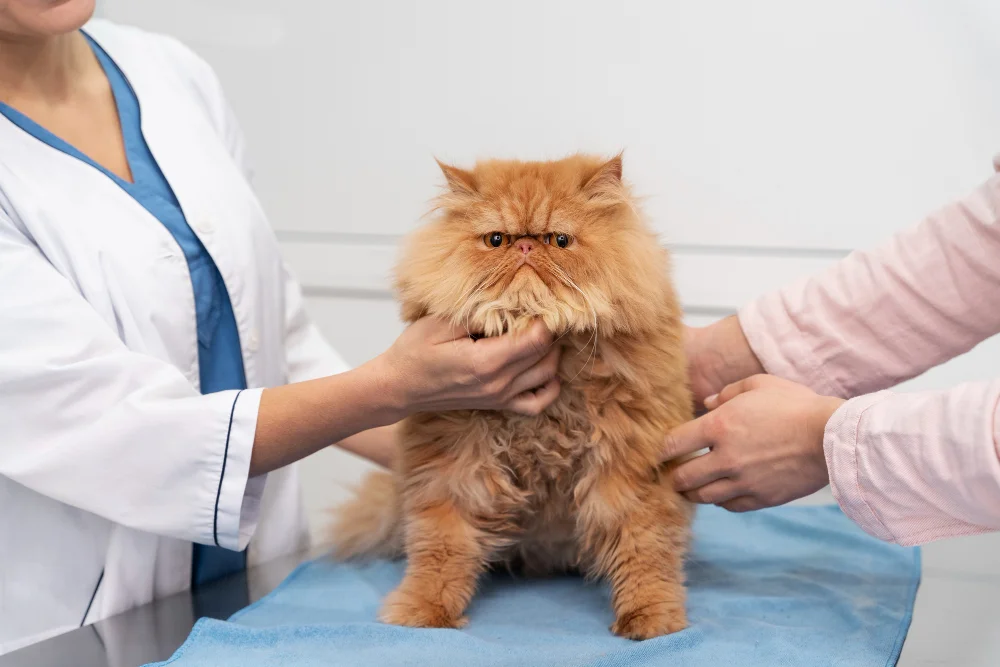
Obesity in cats is a growing health concern, particularly among indoor cats. According to APOP, nearly 61% of cats are overweight or obese, increasing their risk of chronic diseases.
In this guide, you’ll learn the causes of feline obesity, its health risks, and how to prevent it to keep your cat healthy and active.
Symptoms of obesity in cats
The following signs may indicate cat obesity
- Difficulty jumping or climbing: Your cat may struggle to jump onto furniture, climb stairs, or become tired after only a little activity.
- Loss of a defined waist: When viewed from above, an overweight cat often has a broad, rounded body with little or no visible waistline.
- Ribs and spine are difficult to feel: At a healthy weight, you should be able to feel your cat’s ribs and spine with gentle pressure. If they are hidden beneath a thick layer of fat, your cat may be overweight.
- Rounded or sagging abdomen: A noticeably larger or hanging belly is a common sign of excess body fat.
- Reduced activity: Overweight cats tend to spend more time resting and may show less interest in playing, running, or exploring.
- Poor grooming habits: Cats carrying extra weight often have difficulty grooming themselves, leading to a dull, greasy, or matted coat.
- Collar becoming tighter: If your cat’s collar no longer fits comfortably, gradual weight gain may be the cause.
What can cause obesity in cats?
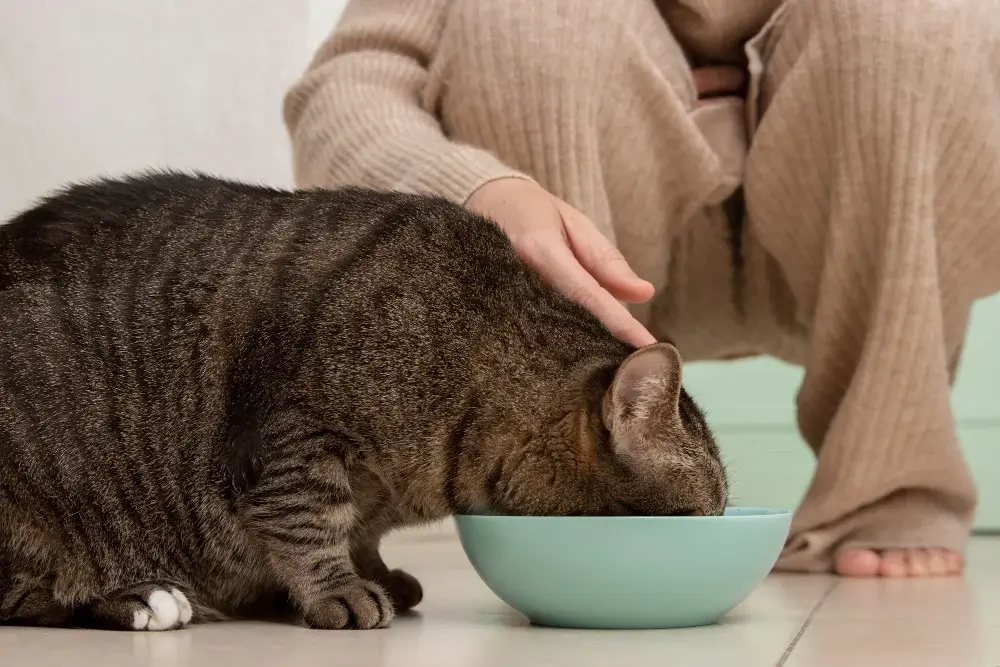
Cat obesity usually develops gradually due to a combination of diet, lifestyle, and health factors. The most common causes include:
Overfeeding
Providing oversized portions, free feeding, or offering too many treats can lead to excess calorie intake and gradual weight gain.
Lack of Exercise
Indoor cats often get less physical activity, making them more likely to gain weight if they do not play or exercise regularly.
Poor Diet
High calorie foods, excessive dry food, table scraps, and frequent treats can all contribute to obesity.
Read: wet or dry cat food.
Age and Neutering
Older cats burn fewer calories because their metabolism slows with age.
Neutered cats may also have a lower energy requirement, making portion control more important.
Medical Conditions
Health problems such as hypothyroidism, diabetes, arthritis, or certain medications can contribute to weight gain.
If your cat gains weight unexpectedly, consult your veterinarian to rule out an underlying medical condition.
Health risks of obesity in cats
Cat obesity can affect their overall health, comfort, and quality of life.
Excess body weight places additional stress on the body and increases the risk of several serious conditions, including:
- Diabetes
- Arthritis and joint pain
- Urinary tract diseases
- Chronic inflammation
- Skin and coat problems
- Reduced mobility and difficulty grooming
How to manage obesity in cats?
The management of obesity in cats includes:
- Control food portions by feeding measured meals instead of free feeding.
- Choose a balanced, high-protein diet recommended by your veterinarian.
- Limit treats and avoid high calorie snacks because they are among the foods that are harmful to cats .
- Encourage daily exercise with interactive toys, climbing structures, and regular play sessions.
- Monitor your cat’s progress through regular weigh-ins and routine veterinary check-ups to adjust the weight-loss plan as needed.
If your cat is overweight, consult your veterinarian before starting a weight loss plan. Rapid weight loss or severe food restriction can be dangerous for cats.
Don’t worry about finding a professional veterinarian.
How do vets diagnose obesity in cats?
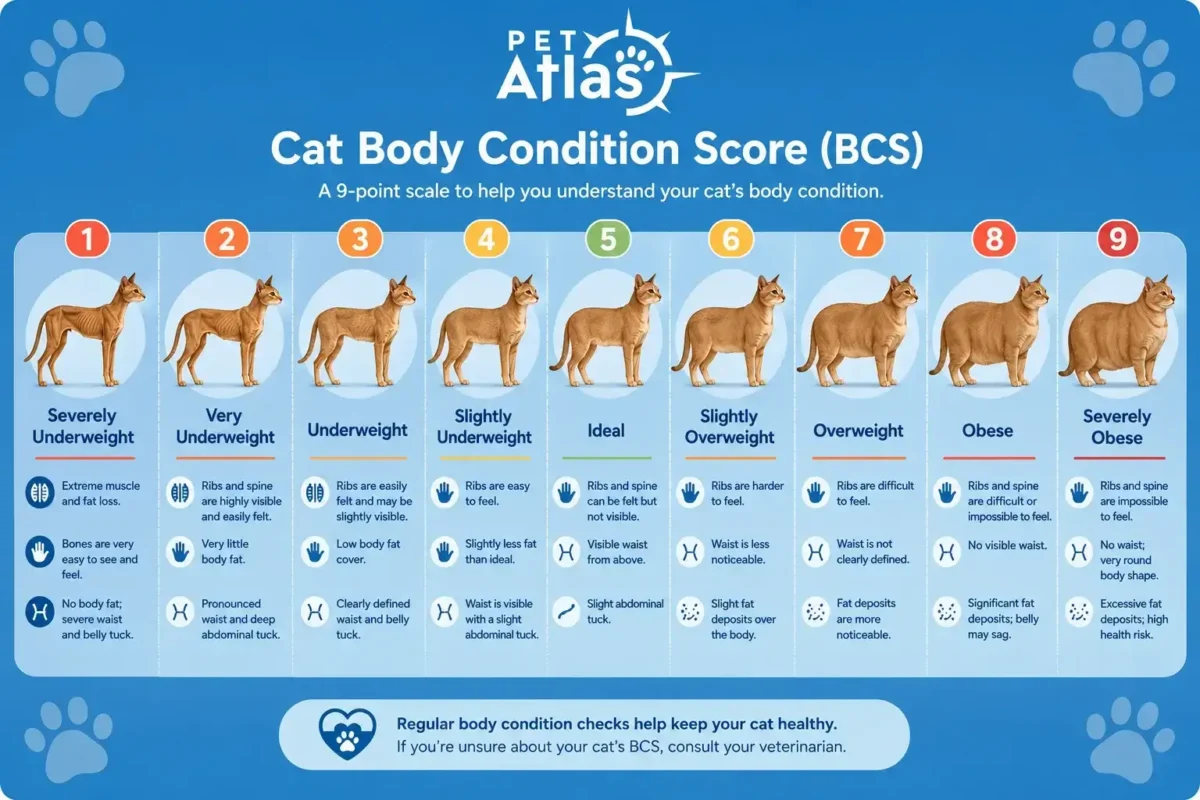
Veterinarians using the Body Condition Score (BCS).
A standardized 1-9 scoring system that evaluates a cat’s body fat and overall body shape.
This infographic demonstrates how to evaluate a cat’s Body Condition Score (BCS).
Conclusion
Research published in PubMed shows that obesity can shorten a cat’s lifespan. In a study of more than 2.3 million cats, obese cats lived about one year less on average than those with a healthy body condition. Your cat deserves a long and healthy life.
Don’t wait until obesity in cats becomes a serious problem. Consult the veterinary experts at Pet-Atlas today and take the first step toward protecting your cat’s health.