


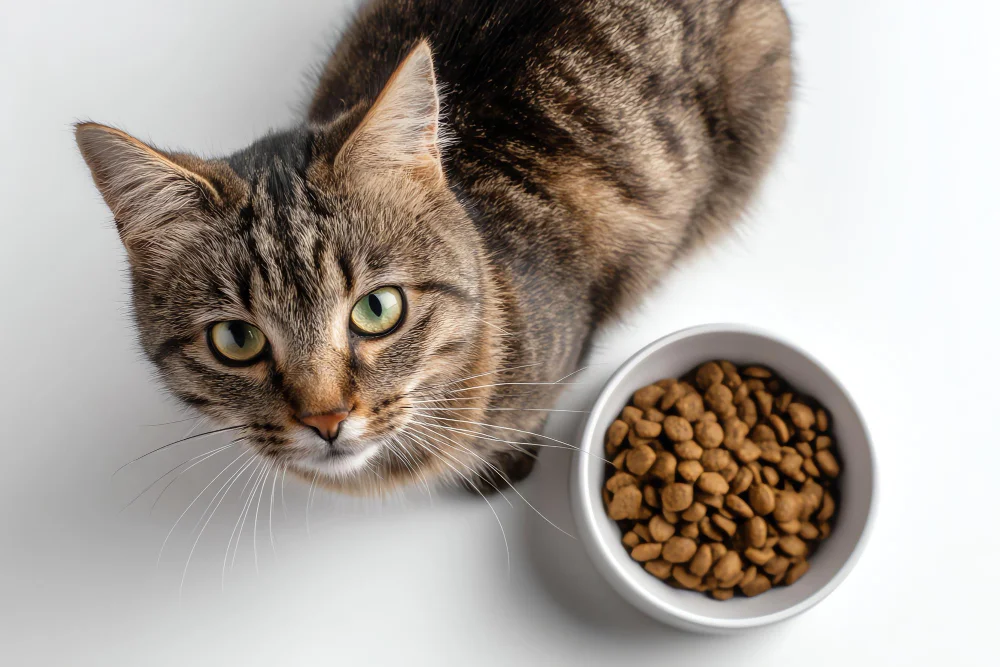
You may be wondering, “Why is my cat not eating?” Your cat may refuse food because of simple food preferences, stress, or a more serious medical condition that requires veterinary attention. A loss of appetite should never be ignored, especially if it lasts more than 24 hours.
In this article, we’ll explain the common causes of cat not eating and what you should do.
Why Is My Cat Not Eating?
Cat not eating can happen for many reasons, including:
Food Preferences
Some cats are simply picky eaters and may refuse food because of its flavor, texture, or smell.
Try offering a different option or slightly warming wet food to make it more appealing.
Infections and Respiratory Problems
Upper respiratory infections can reduce appetite by causing nasal congestion and limiting a cat’s ability to smell food. Breathing difficulties may also make eating uncomfortable.
Common signs include:
- Sneezing
- Runny eyes or nose
- Difficulty breathing
- Reduced activity
Nasal problems such as polyps or tumors may also affect the sense of smell and make eating painful.
Dental Problems and Pain
Dental disease, mouth inflammation, injuries, and other painful conditions can make eating uncomfortable.
Look for signs such as:
- Bad breath
- Excessive drooling
- Mouth bleeding
- Difficulty chewing or dropping food
Treating the underlying source of pain is essential to help your cat eat normally again.
Digestive Problems
Digestive issues such as constipation, nausea, pancreatitis, and inflammatory bowel disease can reduce appetite.
A nauseous cat may approach its food but refuse to eat. Other signs can include drooling, lip licking, vomiting, diarrhea, or dropping food while eating.
Foreign Objects and Obstructions
Cats may swallow string, ribbon, or other foreign objects, which can become trapped in the digestive tract and cause pain or loss of appetite.
Warning signs include:
- Vomiting
- Constipation or difficulty passing stool
- Lethargy
- Abdominal discomfort
Chronic Health Conditions
Several medical conditions can cause persistent appetite loss, including:
- Diabetes
- Kidney disease
- Pancreatitis
- Cancer
- Heart disease
Changes in thirst, urination, energy levels, vomiting, coughing, or breathing may also indicate an underlying condition.
Stress and Environmental Changes
Cats are creatures of habit, so changes such as moving, loud noises, construction, a new pet or family member, or conflicts with other animals can affect their appetite.
Even small changes to familiar resources, such as food, water, or litter boxes, may cause stress.
Recovery From Illness
Some cats develop a food aversion after illness or hospitalization. They may associate a particular food with feeling sick or with the stress of treatment.
Your veterinarian can recommend an appropriate recovery diet and feeding approach to ensure your cat receives enough calories and nutrients.
Neurological Problems or Toxin Exposure
Neurological conditions or toxin exposure can also affect a cat’s appetite and behavior.
Other possible signs include:
- Vomiting or drooling
- Diarrhea
- Lethargy
- Stumbling or unusual walking
- Breathing difficulties
Why Is Loss of Appetite Serious?
Cats that stop eating, particularly overweight cats, are at risk of developing hepatic lipidosis (fatty liver disease).
This occurs when the body starts breaking down stored fat for energy, causing fat to accumulate in the liver.
Hepatic lipidosis can become severe and potentially life-threatening, so prompt veterinary care is important when a cat refuses food.
In one study of 71 cats diagnosed with hepatic lipidosis, 38% died, highlighting the importance of addressing prolonged appetite loss promptly.
Immediate veterinary attention is especially important if appetite loss is accompanied by other concerning symptoms.
What Can I Do if My Cat Is Not Eating?
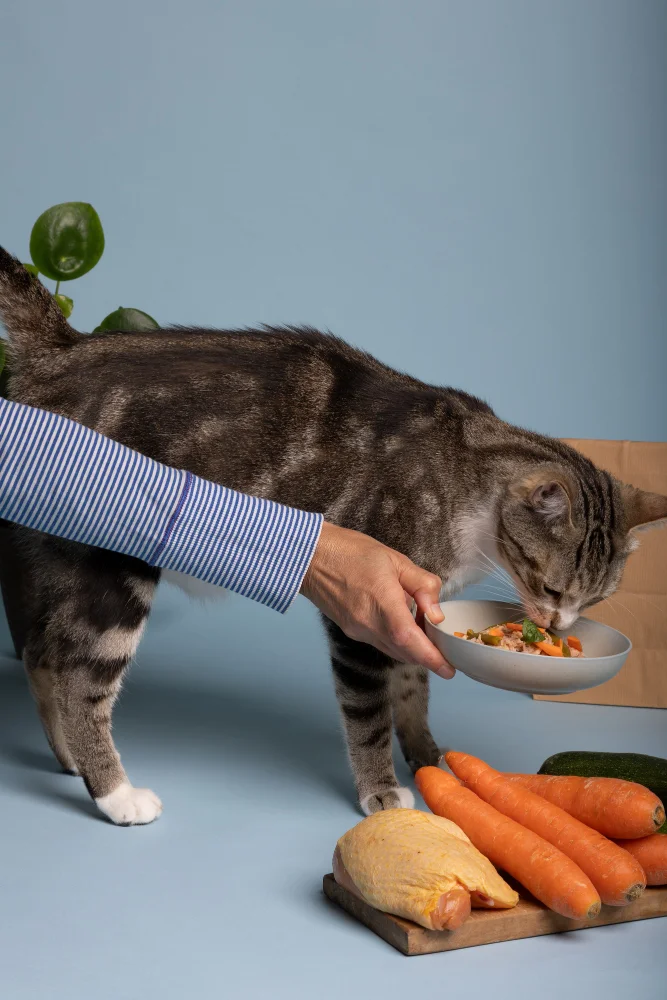
Try these simple steps to encourage your cat to eat:
- Offer a different flavor or texture they may prefer.
- Slightly warm wet food to enhance its smell.
- Give small, frequent meals instead of large portions.
- Keep food in a quiet, comfortable area away from other pets.
- Make sure fresh water is always available.
- Avoid forcing your cat to eat, as this can increase stress.
- Monitor for diarrhea, vomiting, lethargy, or signs of pain.
If you’ve tried all these methods to encourage your cat to eat and they still refuse food for more than 24 hours.
When Should You Contact a Veterinarian?
You need an urgent veterinary consultation if your cat:
- Hasn’t eaten for more than 24 hours or skips several meals.
- Has other symptoms such as lethargy, weakness, vomiting, diarrhea, weight loss, or behavior changes.
- Has an underlying condition such as diabetes, kidney disease, liver disease, or another chronic illness.
- Shows signs of dehydration, including dry gums, sunken eyes, reduced skin elasticity, or lethargy.
- Stops eating while recovering from surgery or illness.
- Is a kitten, senior cat, or has a weakened immune system and develops a sudden loss of appetite.
Conclusion
By now, you may have a better understanding of cat not eating, including whether your cat’s loss of appetite is caused by something minor or a more serious condition. After learning about the potential risks of prolonged appetite loss, don’t ignore the problem.
Contact Pet-Atlas for a veterinary consultation to identify and treat the underlying cause of your cat’s refusal to eat.