

Pet diet is one of the most important factors in maintaining your pet’s health and happiness. Your pet just like you, needs a healthy diet to stay active, maintain a strong immune system, and enjoy a better quality of life. Since dogs and cats have different nutritional needs, providing the right food and nutrients is essential for their long-term well-being.
The Importance of a Balanced Pet Diet
Proper nutrition is essential for pets because it:
- Builds strong muscles and maintains a healthy body condition.
- Supports healthy skin and a shiny coat.
- Strengthens the immune system and helps prevent common pet diseases.
- Improves digestion and promotes good gut health.
The Most Important Nutrients for a Healthy Pet Diet
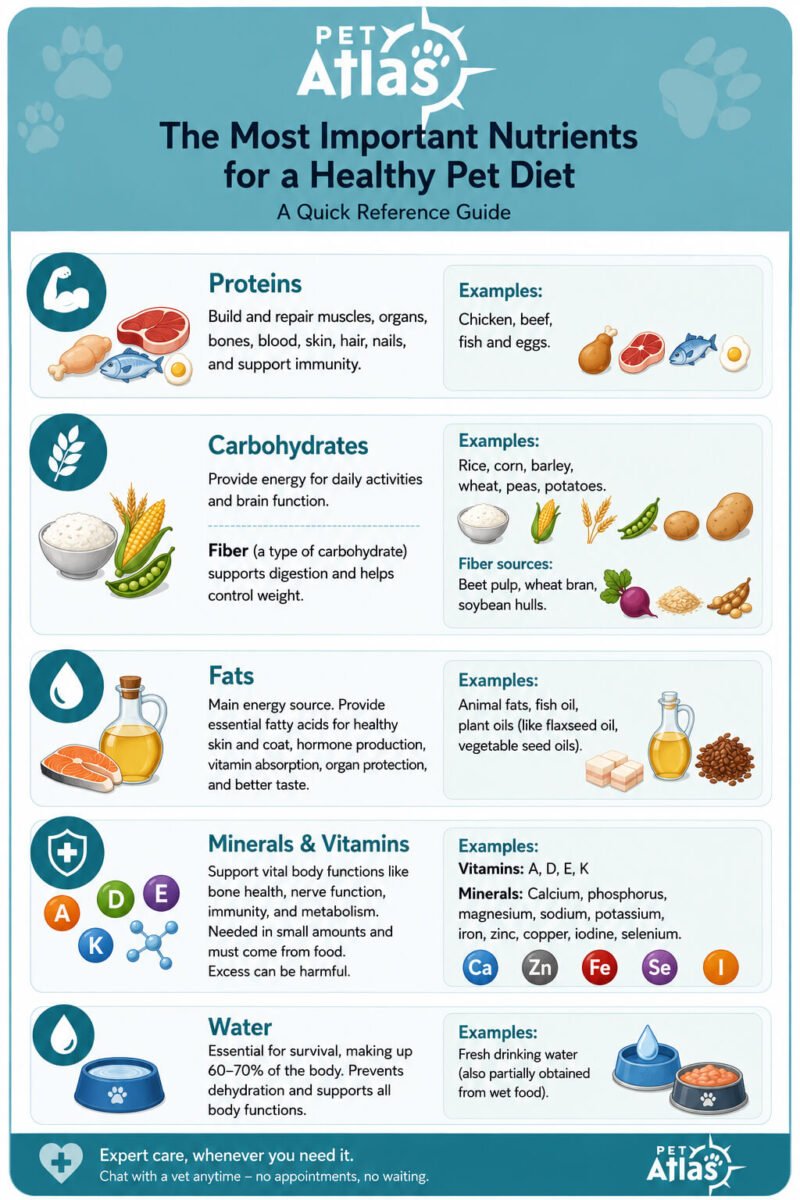
Here are the essential nutrients your pet needs:
Proteins
Build and maintain muscles, organs, bones, blood, skin, hair, nails, and support the immune system.
Examples: Chicken, beef, fish and eggs.
Carbohydrates
Provide immediate energy for body functions like movement, brain activity, and metabolism.
Fiber (a type of carbohydrate) supports digestion, gut health, and helps control weight by increasing satiety.
Examples:
Rice, corn, barley, wheat, peas, potatoes
Fiber sources: beet pulp, wheat bran, soybean hulls
Fats
Main energy source in pet food (more than double the energy of protein or carbs). They provide essential fatty acids that support skin and coat health, hormone production, vitamin absorption, body insulation, and organ protection. Also improve food taste.
Examples:
Animal fats, fish oil, plant oils (like flaxseed oil, vegetable seed oils)
Minerals & Vitamins
Support essential body functions like bone health, nerve function, immunity, and metabolism. Vitamins are needed in small amounts and must come from food because pets can’t produce all of them. Excess supplements can be harmful.
Examples:
Vitamins: Vitamin A, D, E, K
Minerals: Calcium, phosphorus, magnesium, sodium, potassium, iron, zinc, copper, iodine, selenium
Water
Essential for survival, making up 60–70% of the body. Prevents dehydration and supports all body functions.
Examples:Fresh drinking water (also partially obtained from wet food)
The Difference Between Cats’ and Dogs’ Nutritional Needs
Cats and dogs have different nutritional needs because their bodies process food differently.
Cats diet
- Cats are obligate carnivores, which means they mainly depend on meat.
- They need high amounts of animal protein and fats.
- Cats require important nutrients like taurine and ready-made vitamin A from animal sources.
- They need fewer carbohydrates than dogs.
Dogs diet
- Dogs are omnivores and can eat a wider variety of foods.
- They need balanced amounts of protein, fats, and carbohydrates.
- Dogs can digest carbohydrates more efficiently than cats.
- They can get some nutrients from both animal and plant sources.
What Affects Your Pet’s Nutritional Needs?
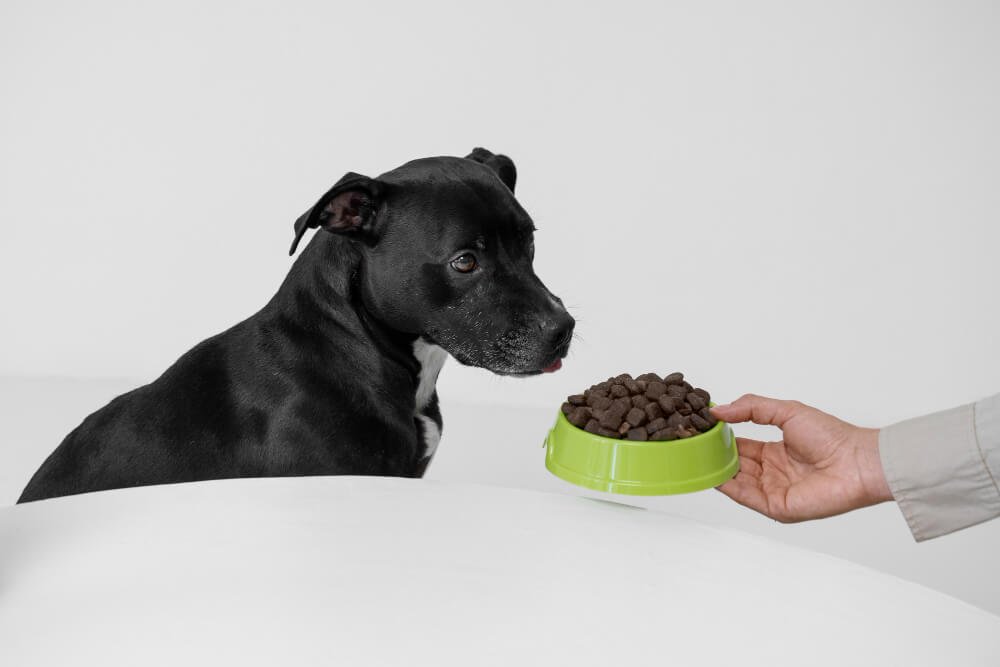
Several factors influence pet diet requirements for both cats and dogs:
Age: Puppies and kittens need more calories and nutrients to support healthy growth and development.
Size & Weight: Larger pets usually require more food than smaller ones.
Activity Level: Active pets burn more energy and need extra calories, while less active or indoor pets may need less food.
Health & Reproductive Status: Pregnant or nursing pets need additional nutrients and calories.
Body Condition: Overweight pets should eat controlled portions, while underweight pets may need more food to reach a healthy weight.
How Much Should You Feed Them?
According to the American Animal Hospital Association (AAHA) guidelines, the number of meals varies from one pet to another.
Dogs
- Adult dogs are usually fed twice a day.
- Puppies may need 3–5 meals daily depending on age and size.
Cats
- Adult cats are often fed 2 small meals daily.
- Kittens may need 3–4 meals daily.
- Portion sizes depend on age, weight, and activity level.
conclusion
A healthy pet diet is essential for keeping pets active, happy, and in good health. Balanced nutrition supports their growth, immunity, and overall well-being. Since every pet has different needs, choosing the right food and adjusting portions based on age, size, and activity is key to maintaining a healthy and happy life.