
veterinary reports indicate that pet nutrition mistakes In the UAE, are a growing concern affecting the health of both cats and dogs. Data shows that approximately 30–35% of cats and nearly 30% of dogs are overweight or obese, a condition closely associated with poor feeding practices.
How do pet nutrition mistakes affect their health?
Common pet nutrition mistakes negatively affect your pet’s overall health and quality of life by:
- Obesity or unhealthy weight loss.
- Weakened immune system and Increases the risk of illness and infections.
- Digestive issues may cause vomiting, diarrhea, or constipation.
- Poor skin and coat health such as dry skin, hair loss, and a dull coat.
- Raises the risk of pet diseases like diabetes, heart disease, and kidney problems.
- Reduced energy levels and impact on activity, mood, and general behavior.
.
What are the common pet nutrition mistakes?
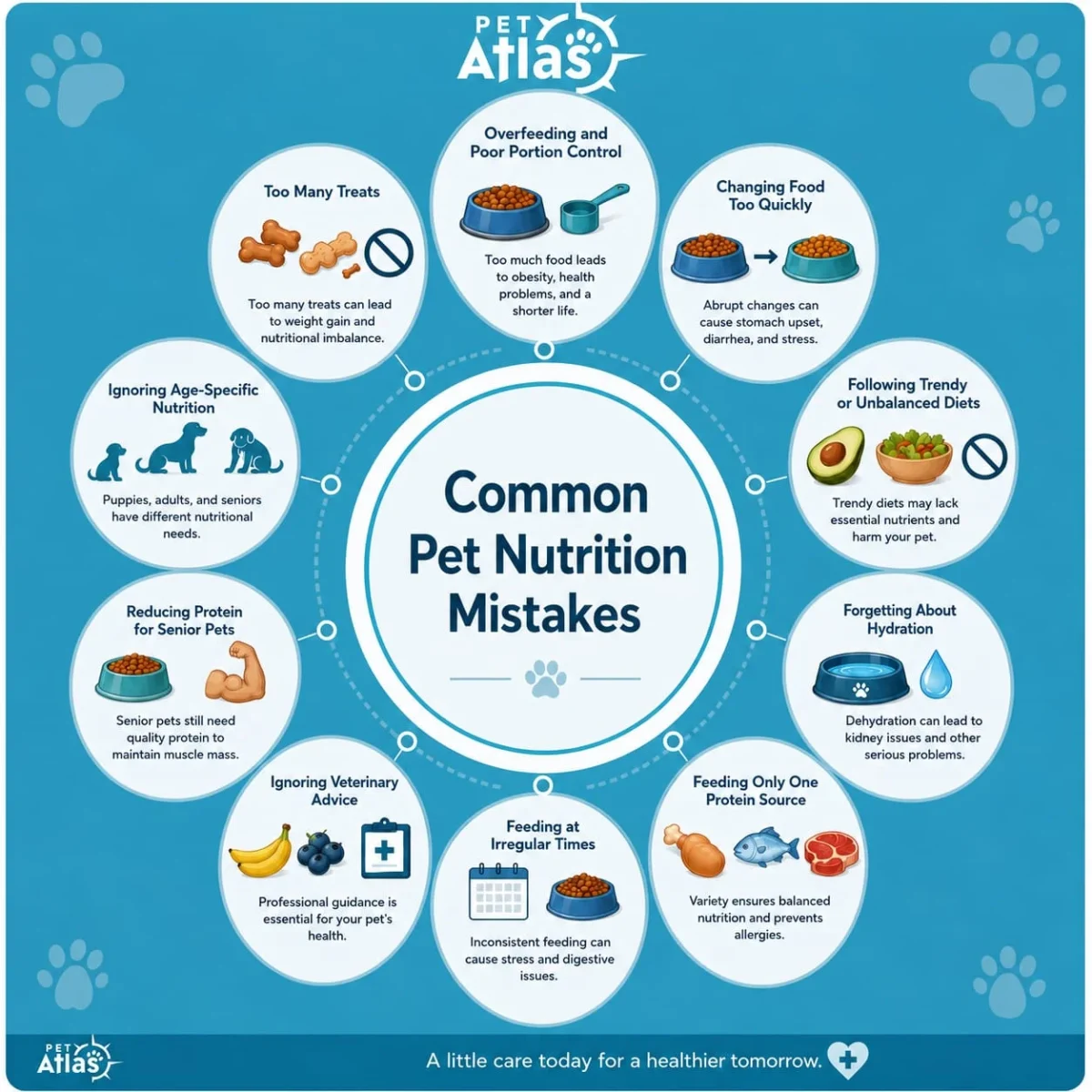
Some pet feeding mistakes are commonly seen in the UAE and other countries, often resulting from everyday feeding habits. These include:
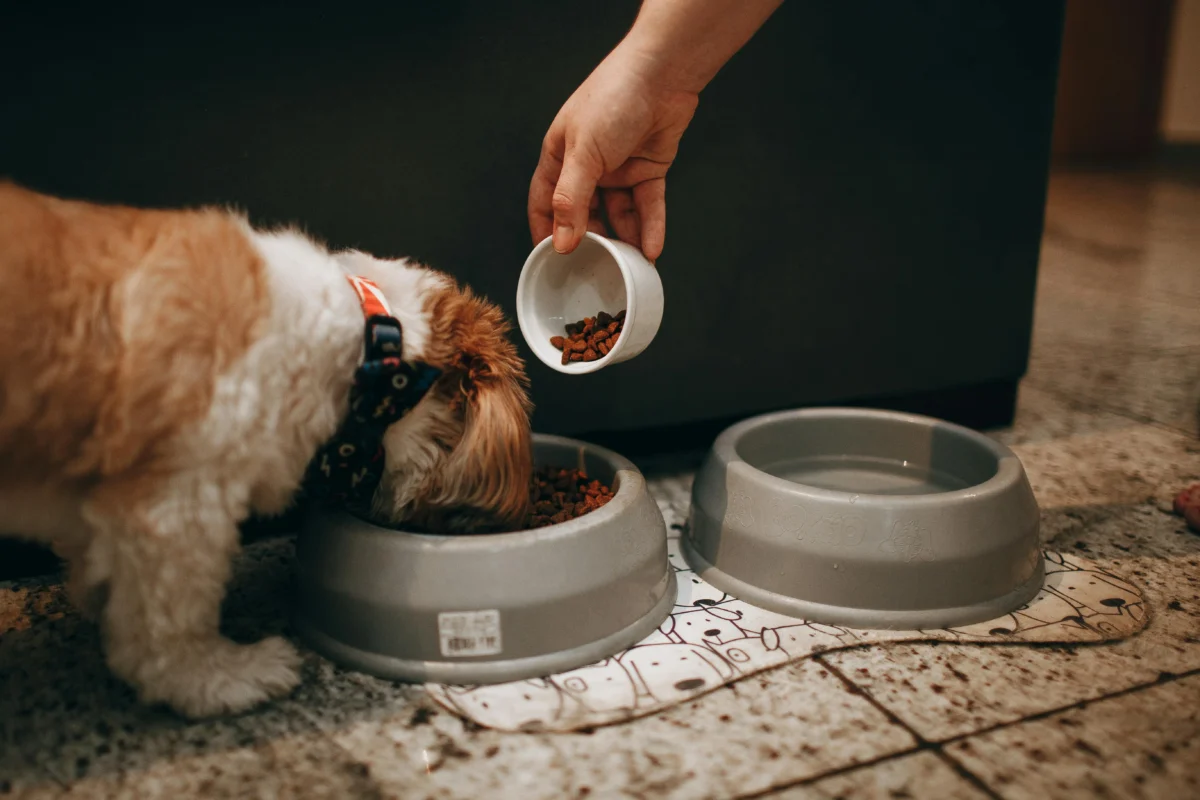
- Overfeeding and Poor Portion Control
Leaving food available all day or not measuring portions properly can lead to pet obesity and related health problems, including diabetes and joint issues.
According to the Association for Pet Obesity Prevention (APOP), even a few extra pieces of dry food daily can cause noticeable weight gain.
Always serve measured portions and follow the recommended calorie intake for your pet.
- Changing Food Too Quickly
Sudden diet changes may cause vomiting, diarrhea, or digestive upset.
It’s best to transition gradually by mixing small amounts of the new food with the old food over several days.
- Following Trendy or Unbalanced Diets
Not every popular pet diet is healthy or nutritionally complete. Balanced diets approved by organizations like the AAFCO are usually safer and more reliable.
- Forgetting About Hydration
Water is essential for digestion and overall health. Cats especially tend to drink less water naturally, so adding wet food or water to dry food can help improve hydration
- Feeding Only One Protein Source
Using the same protein every day may lead to nutrient imbalance or food sensitivities.
Rotating protein sources like chicken, fish, or beef can support better nutrition and variety.
- Feeding Too Many Table Scraps
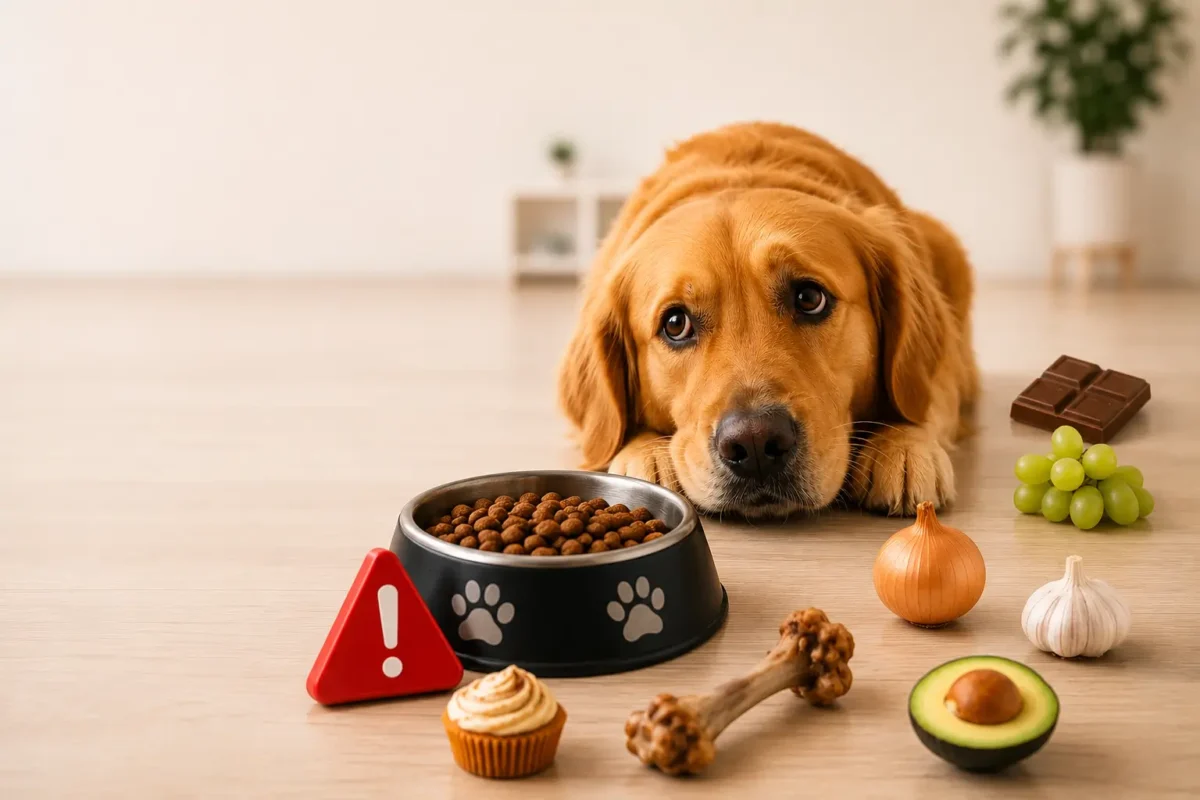
Many human foods are high in fat, sugar, or salt, while others, such as onions, garlic, grapes, and chocolate, can be toxic to pets.
The American Society for the Prevention of Cruelty to Animals (ASPCA) warns that these foods may seriously harm your pet’s health.
- Feeding at Irregular Times
Pets do better with routine. Feeding them at consistent times each day supports digestion, reduces stress, and prevents bad habits like excessive begging.
- Ignoring Veterinary Advice
The best way to make sure your pet gets the right nutrition is by consulting a veterinarian.
A veterinarian can recommend a balanced diet to your pet’s age, breed, size, lifestyle, and overall health needs.
- Thinking All Human Foods Are Dangerous
Some human foods can actually be healthy for pets in moderation, such as carrots, green beans, blueberries, apples (without seeds), and plain cooked meats. However, they should always be introduced carefully.
- Reducing Protein for Senior Pets
Older pets still need high-quality protein to maintain muscle mass. Instead of lowering protein, owners should focus on more digestible and nutritious protein sources.
- Ignoring Age-Specific Nutrition
Pets have different nutritional needs at each life stage. Puppies and kittens need growth-focused nutrition, while senior pets may require joint support and antioxidants.
- Too Many Treats
One of the most common pet nutrition mistakes is giving too many treats. While pets enjoy treats and owners often use them as rewards, overfeeding them is a mistake.
Treats should be given in moderation, as they are not a complete meal.
Excessive treats can lead to weight gain and may reduce the intake of essential nutrients from regular food.
conclusion
Avoiding pet nutrition mistakes is not just an option, it is essential for protecting your pet’s health.