
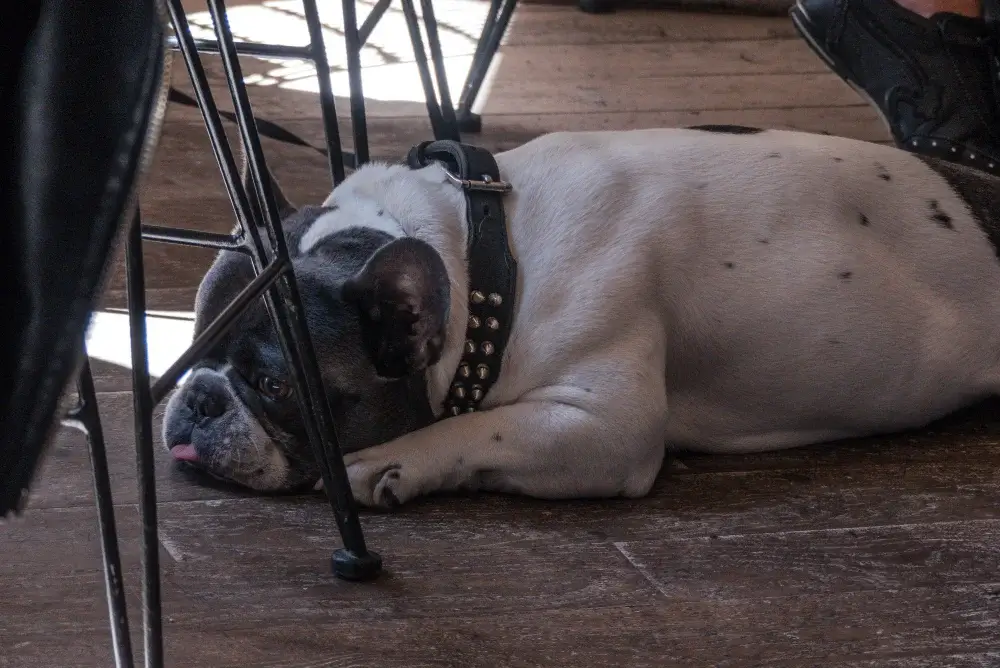
Have you noticed your dog becoming less active or gaining extra weight? In the UAE’s hot climate, reduced physical activity can lead to obesity in dogs.
Obesity can seriously affect your dog’s health and quality of life. In this article, you’ll learn how to recognize the signs of obesit in dogs, explore safe weight loss strategies, and discover when it’s time to seek professional veterinary advice.
symptoms of obesity in dogs
If your dog is overweight, you may notice the following signs:
- Gradual weight gain over time.
- Reduced energy levels and spending more time resting.
- Becoming tired more quickly during walks or play.
- Difficulty keeping up with normal physical activity.
- A collar or harness that feels tighter than before.
- Trouble feeling the ribs, spine, or waist due to excess body fat.
- A rounder or fuller-looking face.
- Heavy panting after only mild activity.
- Needing assistance to jump into cars or climb stairs.
- Showing little interest in walking, running, or playing with toys.
- Loss of the natural waistline, with the abdomen appearing wider or sagging.
Causes of Obesity in Dogs
Obesity in dogs occurs when calorie intake exceeds calorie expenditure. Common causes include:
- Overfeeding: Giving too much food, frequent treats, or table scraps.
- Lack of exercise: Not getting enough daily physical activity.
- Medications: Some medications, especially corticosteroids, may increase appetite and lead to weight gain.
- Medical conditions: Disorders such as hypothyroidism and Cushing’s disease can cause weight gain, although they are much less common than poor diet and inactivity.
Risks Associated with Obesity in Dogs
Obesity increases the risk of many serious diseases, affecting both your dog’s lifespan and overall quality of life. Common risks include:
- Arthritis and joint problems that reduce mobility.
- Diabetes caused by impaired insulin regulation.
- Heart and cardiovascular disease associated with excess body fat.
- Kidney disease and high blood pressure.
- Respiratory problems, making breathing and exercise more difficult.
- Pancreatitis, a painful inflammation of the pancreas.
- Reduced tolerance to exercise and heat, causing dogs to tire more easily.
- Higher risks during anesthesia and surgery.
- Hormonal, skin, and urinary tract disorders.
- A shorter lifespan and lower overall quality of life.
Protect your dog from obesity before it leads to serious health problems.
Create a personalized nutrition and weight management plan for a healthier dog.
Treatment of Obesity in Dogs
Successful weight loss in dogs depends on regular exercise, proper nutrition, and a veterinarian-guided weight management plan.
Exercise
Regular exercise helps dogs burn calories and improve their overall fitness.
If your dog is significantly overweight, start with short, low impact activities such as 15–30 minute daily walks, then gradually increase the duration and intensity as their fitness improves.
Other suitable activities include playing fetch, swimming, or other dog friendly exercises.
Older dogs may require a modified exercise routine.
overweight dog diet plan
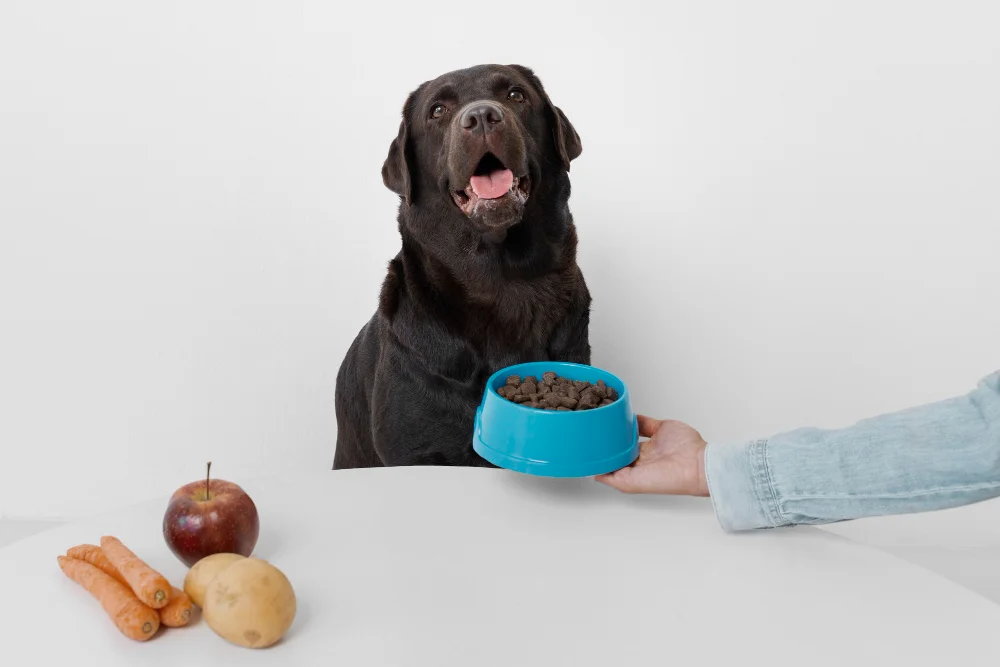
A balanced, calorie-controlled diet is essential for healthy weight loss.
Your veterinarian may recommend a high-protein, high-fiber, low-fat diet to help your dog feel full while maintaining muscle mass.
Limiting treats, avoiding table scraps, and measuring food portions can also make a significant difference.
Read: The best pet diet for your pet’s health.
Tips for Healthy Weight Loss for dogs
- Follow a consistent feeding schedule and divide daily food into smaller meals.
- Introduce any new food gradually over about a week.
- Replace high-calorie treats with healthier alternatives, such as carrot sticks (if suitable for your dog).
- Monitor your dog’s weight regularly and schedule routine veterinary checkups to track progress.
Dog body condition score
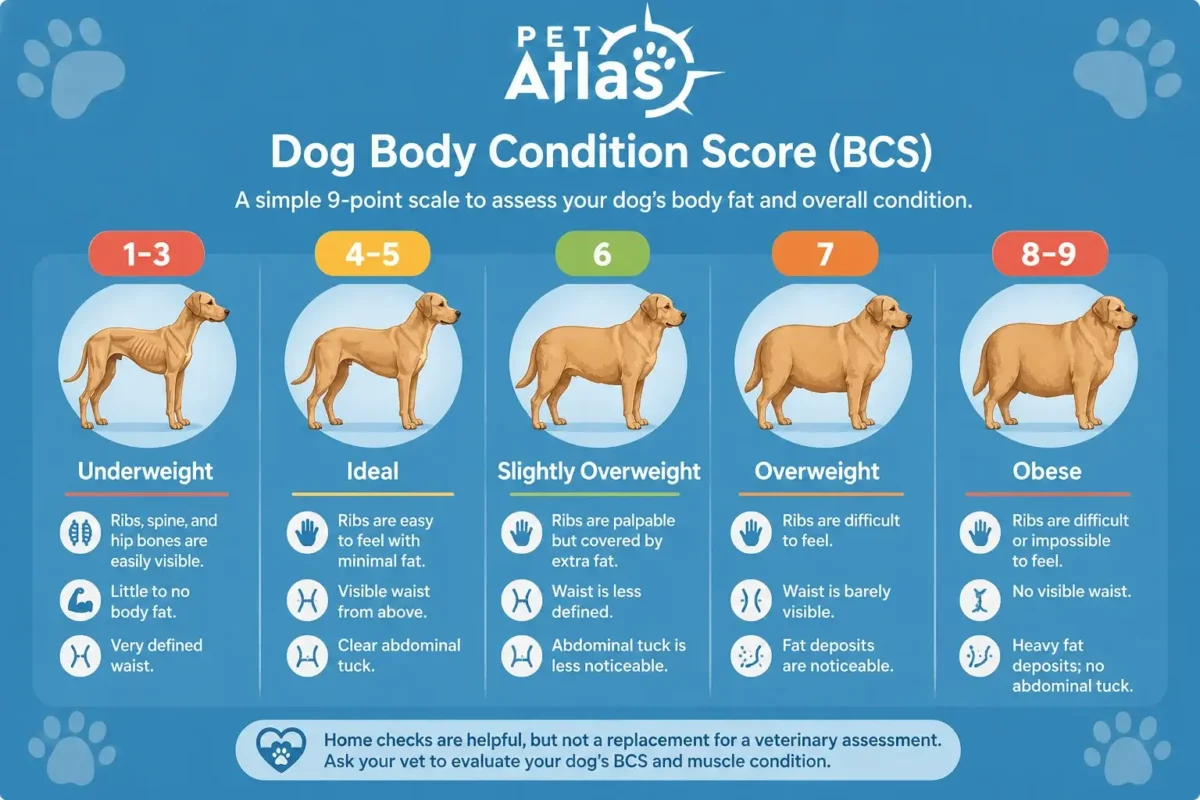
According to WSAVA The Body Condition Score (BCS) is a 9-point scale used to assess a dog’s body fat and determine whether they are underweight, at an ideal weight, overweight, or obese.
| BCS | Body Condition | Description |
| 1-3 | Underweight | Ribs, spine, and hip bones are easily visible or felt, with little to no body fat and a very defined waist. |
| 4-5 | Ideal | Ribs are easy to feel with minimal fat covering, the waist is visible from above, and there is a clear abdominal tuck. |
| 6 | Slightly Overweight | Ribs are still palpable but covered by extra fat. The waist is less defined, and the abdominal tuck is reduced. |
| 7 | Overweight | Ribs are difficult to feel, fat deposits become noticeable, and the waist is barely visible. |
| 8-9 | Obese | Ribs are difficult or impossible to feel, the waist is absent, and heavy fat deposits are present over the body. |
How to Check Your Dog’s Body Condition
To assess your dog’s body condition at home:
- Feel the ribs: They should be easy to feel with light pressure but not visibly protruding.
- Check the waist: View your dog from above you should see a noticeable waist behind the ribs.
- Look for an abdominal tuck: From the side, the belly should slope upward rather than bulge outward.
- Feel the spine and hips: You should be able to feel the spine and hip bones beneath the skin without them being prominent.
- Check the base of the tail: There should be little to no fat buildup around the tail base.
conclusion
According to the 2024 Association for Pet Obesity Prevention (APOP) Survey, 59% of dogs are overweight or obese, putting them at greater risk of serious health problems. Don’t wait until obesity affects your dog’s well-being.
Pet- Atlas offers online veterinary consultations to help you create a personalized weight management plan to avoid obesity in dogs.